If you live in Northeast Ohio, winter puts your home to the test every year. Snow piles up. Ice forms overnight. Gutters freeze, thaw, and freeze again. Many homeowners start wondering if heated gutters are worth the investment or if they are just another upgrade that sounds good on paper.
The truth is that not all heated gutter solutions are created equal. Understanding how they work, what problems they solve, and when they actually make sense can help you decide if heated gutters are the right choice for your home.
Why Gutters Struggle in Northeast Ohio Winters
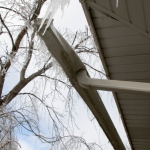
Ohio winters are not just cold. They are unpredictable. Temperatures bounce above and below freezing, creating constant freeze-thaw cycles. When gutters contain debris, standing water freezes inside the system. As ice expands, it adds weight and stress to gutters, brackets, fascia, and roof edges.
This leads to common winter problems like:
- Ice-filled gutters that stop drainage
- Ice dams forming along the roofline
- Water backing up under shingles
- Gutters sagging or pulling away from the home
- Melted snow dumping water near the foundation
Traditional open gutters and most basic gutter guards were never designed to handle this combination of debris, snow, and ice.
What Heated Gutters Are Designed to Do
Heated gutters are meant to keep water moving when temperatures drop. Instead of allowing snow and ice to sit inside the gutter, heat prevents freezing so meltwater can drain safely away from the home.
When designed correctly, heated gutters help:
- Prevent ice from forming inside the gutter system
- Reduce ice dam buildup along the roof edge
- Protect fascia, soffit, and roof materials
- Maintain proper drainage during winter thaws
However, the effectiveness depends entirely on how the system is built and installed.
The Difference Between Heat Cables and Heated Gutter Systems
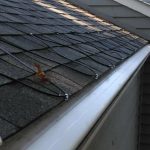
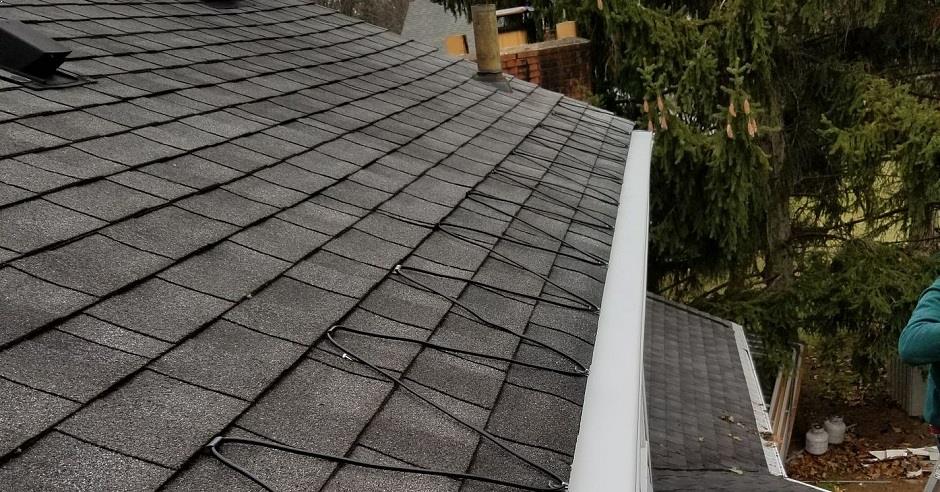
Many homeowners are familiar with basic heat cables that are added after problems appear. These cables are often clipped inside existing gutters or laid along the roofline. While they can help temporarily, they still rely on gutters that clog and fill with debris.
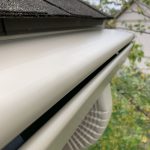
A true heated gutter system works differently. With Heated K-Guard, heating elements are integrated into a fully enclosed, clog-free gutter design. That means debris is kept out before it can freeze, and heat is used to maintain consistent water flow rather than fight blockages after they form.
This difference matters in Northeast Ohio, where leaves, snow, and ice all collide in the same season.
Cost Versus Long-Term Value
Heated gutters are an investment, but they should be evaluated based on long-term value rather than upfront cost alone. When homeowners compare heated systems to repeated winter repairs, emergency ice removal, fascia damage, and roof leaks, the value becomes clear.
Heated K-Guard adds value by:
- Eliminating winter gutter cleanings
- Reducing the risk of ice dam damage
- Protecting the foundation from winter runoff
- Providing long-term reliability instead of seasonal fixes
- Backing protection with a no-nonsense guarantee
Instead of reacting to winter problems year after year, heated gutters provide consistent protection through every freeze and thaw cycle.
Are Heated Gutters Worth It in Northeast Ohio?
For homeowners dealing with recurring ice buildup, frozen gutters, or ice dam damage, heated gutters are absolutely worth considering. The key is choosing a system designed for Ohio weather, not a temporary add-on.
Heated K-Guard combines a clog-free gutter system with integrated heating to deliver real winter protection without constant maintenance or ladder work.
If winter gutter problems keep returning, the right solution is not another repair. It is prevention that lasts.
Learn if heated gutters are right for your home. Schedule a free estimate at kguardcleveland.com/contact-us.